.svg)
.svg)
.svg)
.svg)
.svg)
.svg)
Mental Health Across Cultures: Stigma, Language, and Healing
Mental health stigma varies across cultures and can hinder help-seeking; creating culturally sensitive, inclusive workplaces is essential for supporting public safety personnel’s well-being.
Provided by Trillium Health Partners
Trillium Health Partners is a leading hospital system in Ontario, committed to delivering high-quality, patient-centered care through its three main sites: Credit Valley Hospital, Mississauga Hospital, and Queensway Health Centre.

If you need support beyond this resource, help is available
This site offers immediate, stigma-free mental health resources for trauma-exposed public safety personnel (both uniform and civilian) in Ontario. Access confidential support 24/7 through free online resources or if in immediate crisis, call 911, Homewood Health’s 24/7 crisis line at 1-833-866-9929, or for 24/7 peer support call Boots on the Ground at 1-833-677-2668.
What is Mental Health Stigma?
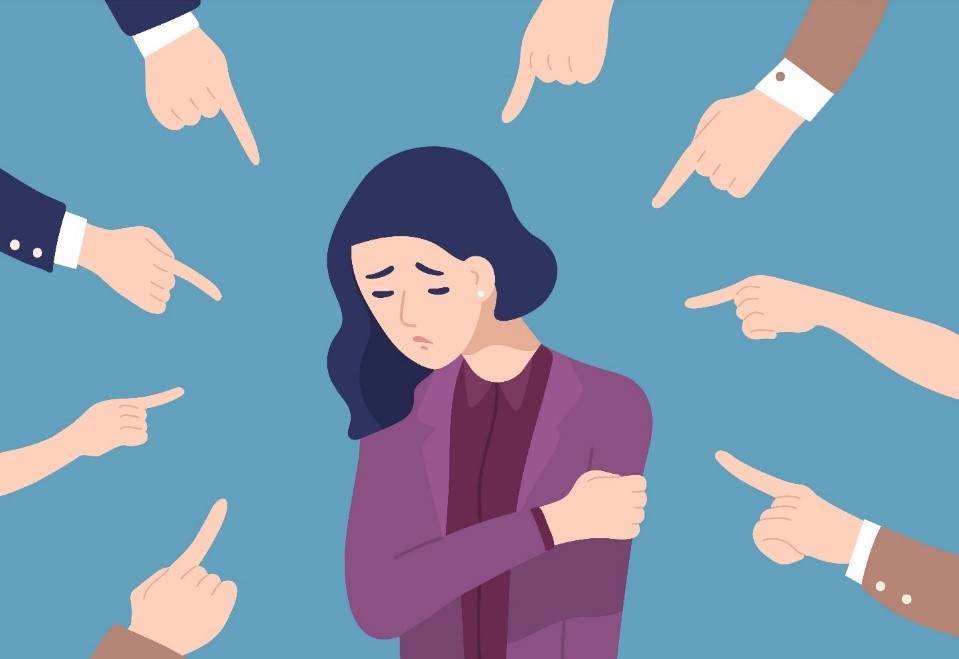
Mental health stigma refers to the negative attitudes, beliefs, and stereotypes directed toward individuals experiencing mental health challenges. These perceptions can discourage people from seeking help, hinder recovery, and contribute to long-term psychological harm. Interestingly, mental health stigma is not always experienced the same way across cultures. Cultural values, language, and historical context all shape how mental health is understood and responded to. For public safety personnel (PSP)who often come from diverse cultural backgrounds understanding how stigma varies is critical to building inclusive, supportive workplaces.
Cultural Perspectives on Mental Health Stigma - How can mental health stigma be viewed differently in various cultures?
Mental health stigma is deeply influenced by cultural values. In collectivist cultures such as those found in East Asia, the Middle East, or many African societies, the emphasis on family reputation and communal well-being can lead to viewing mental illness as a source of shame. Individuals may suppress their mental health struggles to protect their family’s honor, leading to silence and internalized distress. Seeking help from outsiders, especially therapists, may be seen as unusual or unnecessary, reinforcing the stigma.
In individualistic cultures like those in North America or Western Europe, there may be a greater openness toward discussing mental health. However, stigma still exists, often linked to ideas of toughness, self-reliance, or professional competence. For instance, PSP might feel pressure to “keep it together,” fearing that disclosing a mental health condition could be seen as a lack of strength, resilience or professionalism.
Indigenous worldviews offer yet another perspective. Many Indigenous cultures view mental health as deeply interconnected with the spiritual, physical, and communal realms. Rather than isolating mental health as a “medical” issue, they often seek healing through community, connection to land, traditional ceremonies, and storytelling. In this context, Western clinical models may feel foreign or insufficient, especially if they fail to respect traditional practices.
The Role of Language in Mental Health Stigma - How does language shape perceptions of mental health?
Language is integral to how we understand ourselves, make meaning of our experiences, and articulate what, how, and why we feel certain things. It allows us to name emotions, construct personal narratives, and organize our thoughts—shaping both our self-identity and how we process the world around us. Language also plays a significant role in how we understand and experience our mental health, influencing how we process, express, and seek support for our emotional well-being. However, in some cultures, the vocabulary for mental health is limited or non-existent. There may be no direct words for experiences like “anxiety” or “depression,” which can make it difficult for individuals to identify what they’re experiencing, let alone talk about it.
This lack of language and ability to effectively communicate can be especially challenging for PSP whose native language or cultural framework may lack the terminology to express or identify mental health concepts. Without culturally sensitive services or translation support, these individuals may feel further isolated, misunderstood, or unable to access appropriate care. Even when services are available, if they are not offered in a culturally or linguistically appropriate way, they may go unused.
The Influence of Acculturation - What is acculturation and how does it impact mental health?
Acculturation refers to the process by which individuals adapt to a new culture while maintaining aspects of their original cultural identity. For immigrant PSP, this can create internal tension between the values of their home culture and those of their workplace or host country.
Mental health stigma can be magnified by this conflict. For example, an individual from a culture that stigmatizes emotional vulnerability may struggle to balance the influence of their upbringing with a workplace that expects mental health openness. Others may feel alienated by mental health services that fail to consider their cultural background or language needs.
First-generation immigrants working in public safety organizations may also face unique isolation, as their experiences and perspectives on mental well-being may not align with the dominant narratives. This can lead to underreporting of symptoms, delayed treatment, and difficulty building trusting relationships with mental health professionals.
Creating culturally safe and inclusive environments requires not only access to services but a culturally sensitive approach, one that acknowledges and respects the influence of culture on how mental health is perceived, discussed, and treated.
Culture and Mental Health Recovery - How does culture affect the way one approaches mental health recovery and well-being?
Recovery from mental health challenges is not a one-size-fits-all journey. In collectivist cultures, healing may be expected to happen within the family or community. Turning to a therapist or counselor outside this circle may feel alien, stigmatized, or even disloyal. This can create tension for PSP, where available mental health supports are often rooted in Western therapeutic models.
In individualistic Western cultures, mental health care often centers around the individual. Recovery is typically framed as a personal responsibility, with a focus on self-awareness, autonomy, and professional therapy. Talking openly about mental health is becoming more accepted, yet barriers remain, such as fear of vulnerability, internalized stigma, or the belief that one should cope independently. Treatment models commonly emphasize cognitive and behavioral change, often through one-on-one therapy with licensed professionals.
In collectivist cultures, the individual's well-being is closely tied to the family or community. Mental health struggles may be seen as disruptions to social harmony, and seeking help outside the group, especially from a stranger or formal provider can feel shameful or disloyal. Healing may be expected to take place within trusted circles, with support from elders, family members, or religious figures. Community-based approaches and culturally embedded rituals are often preferred over Western-style clinical care.
Among Indigenous cultures, mental health is understood through a holistic and interconnected lens. Wellness is not just about the mind or emotions, but about restoring balance between the self, the community, the land, and the spirit. Healing practices often involve ceremony, storytelling, land-based activities, and collective reflection. Rather than isolating symptoms or diagnoses, Indigenous models prioritize relational and spiritual wellness, often across generations.
How to Improve Cultural Competency in Mental Health Support for PSP
Individual-Level Changes
Foster Inclusive Conversations: Encourage open discussions about mental health that make room for different cultural understandings. This might include integrating spiritual, familial, or community-based views of wellness.
Language Accessibility: Advocate for translation services and mental health materials in multiple languages to ensure access for all PSP.
System-Level Changes
Integration of Cultural Humility: Increase recognition from organizations and policies that each person’s experience is shaped by their cultural background. It is necessary to avoid assumptions and take time to understand diverse mental health narratives.
Inclusive Policy Design: Develop policies that recognize and accommodate diverse understandings of wellness, including practices rooted in cultural, spiritual, or communal traditions.
Tailored Resources: Create programs that blend culturally-informed practices with conventional mental health approaches, offering flexible and respectful pathways to support individuals from various backgrounds.
More Resources:
CAMH Culturally Competent Services culturally-competent-services-pdf.pdf
National Collaborating Centre for Indigenous Health – Supporting Indigenous Mental Wellness
https://www.nccih.ca/495/Supporting_Indigenous_Mental_Wellness.nccih?id=260
References List
Kleinman, A. (1988). Rethinking Psychiatry: From Cultural Category to Personal Experience.
Gone, J. P. (2013). Redressing First Nations historical trauma: Theorizing mechanisms for Indigenous culture as mental health treatment. Transcultural Psychiatry, 50(5), 683–706.
Sue, S., Cheng, J. K. Y., Saad, C. S., & Chu, J. P. (2012). Asian American mental health: A call to action. American Psychologist, 67(7), 532–544.
Berry, J. W. (1997). Immigration, acculturation, and adaptation. Applied Psychology, 46(1), 5–34.


.jfif)




.jpg)