.svg)
.svg)
.svg)
.svg)
.svg)
.svg)
Nurturing Gut Health in Public Safety Personnel with Operational Stress Injury
Nurturing gut health through diet, stress management, and targeted therapies offers a complementary approach to help public safety personnel recover from operational stress injuries and improve overall well-being.
Provided by Trillium Health Partners
Trillium Health Partners is a leading hospital system in Ontario, committed to delivering high-quality, patient-centered care through its three main sites: Credit Valley Hospital, Mississauga Hospital, and Queensway Health Centre.

If you need support beyond this resource, help is available
This site offers immediate, stigma-free mental health resources for trauma-exposed public safety personnel (both uniform and civilian) in Ontario. Access confidential support 24/7 through free online resources or if in immediate crisis, call 911, Homewood Health’s 24/7 crisis line at 1-833-866-9929, or for 24/7 peer support call Boots on the Ground at 1-833-677-2668.
Public safety personnel (PSP) often face repeated exposure to high-stress situations and potentially traumatic events. These experiences can lead to psychological difficulties known as Operational Stress Injuries (OSI), which includes conditions like post-traumatic stress disorder (PTSD), anxiety, and depression. While treatment traditionally focuses on psychological interventions, there is growing recognition of the gut-brain connection and the role of gut health in mental well-being. A healthy gut supports mental and physical well-being, which is essential for resilience and recovery from stress. Supporting gut health has emerged as a promising, complementary approach to help PSP manage and recover from OSI.
Understanding the Gut-Brain Connection
The gut-brain axis is a complex communication system involving the central nervous system, the enteric nervous system, and the gut microbiota. Research shows that stress can significantly disrupt the gut microbiome, leading to increased intestinal permeability, systemic inflammation, and dysregulation of mood and cognitive function (Mayer et al., 2015). For PSP experiencing OSI, these gut disruptions can worsen psychological symptoms and hinder recovery. Addressing gut health is therefore not only relevant for physical wellness but is increasingly seen as integral to managing mental health, particularly in stress-prone populations.
Strategies for Nurturing Gut Health
The following strategies can help PSP nurture gut health in combination with other treatment interventions for managing OSI symptoms.
Dietary Interventions:
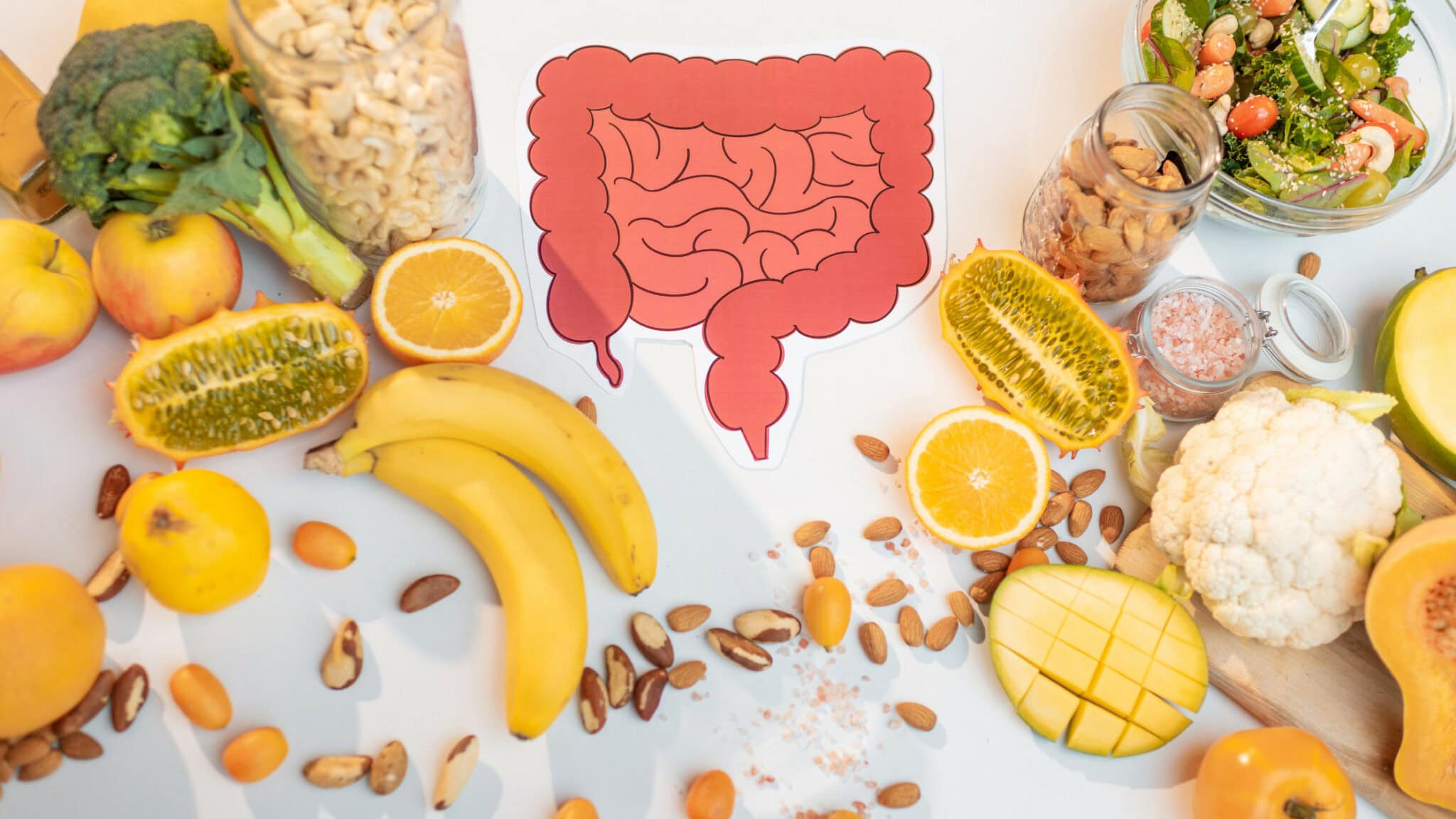
Nutritional strategies are key, it’s particularly important to maintain a diet rich in plant-based fiber like:
Fruits, vegetables and whole grains, which will feed beneficial gut bacteria
Probiotic and fermented foods (like yogurt, Kefir, Sauerkraut and kimchi), which will introduce live bacteria to the gut
Anti-inflammatory foods rich in omega-3s, such as nuts, seeds and healthy oils which help reduce inflammation and support a diverse microbiome that promotes mental clarity and emotional regulation (Dinan & Cryan, 2017).
Limit or avoid processed foods, sugary drinks and excessive caffeine or alcohol consumption, as these can negatively impact the gut and exacerbate stress.
Stress Management:
Stress-reduction techniques can also have a positive impact on gut health. Try integrating strategies such as:
Regular practices of yoga, mindfulness and meditation can help reduce stress and improve gut motility.
Regular physical activity can boost gut health by improving motility and reducing inflammation.
Adequate sleep hygiene is critical. Irregular shifts and sleep disturbances common among PSP can disrupt circadian rhythms and gut microbial balance. Consistent sleep patterns and reducing light and screen exposure before bedtime can support gut healing and overall mental well-being.
Other interventions:
Other interventions for gut health include target therapies, particularly microbiome-targeted therapies, involve manipulating the gut microbiome to improve health. This includes using probiotics, prebiotics, synbiotics, and fecal microbiota transplantation (FMT). These therapies aim to address gut imbalances and their impact on various health conditions.
Microbiome-Targeted Therapies (MTTs): MTTs aim to restore or improve the balance of the gut microbiome, which consists of trillions of microorganisms in the gut. These microorganisms play a crucial role in digestion, nutrient absorption, and immune function.
Probiotics: These are live microorganisms, like beneficial bacteria, that are believed to provide health benefits when consumed in adequate amounts. They can help to restore the balance of gut bacteria and improve digestion.
Prebiotics: These are non-digestible carbohydrates that act as food for the beneficial bacteria in the gut, promoting their growth and survival.
Synbiotics: These are combinations of probiotics and prebiotics, offering a synergistic effect on gut health.
Resources:
For more information and support, several resources are available. The Canadian Institute for Public Safety Research and Treatment (CIPSRT) offers resources on mental health and wellness tailored to PSP. The Centre for Mindful Eating and The Microbiome Research Network provide educational materials on the role of diet and gut health in psychological health. Additionally, Beyond Blue and The Trauma Resiliency Institute offer tools for stress and trauma recovery that can complement gut health strategies. Consult a healthcare professional like a Registered Dietician or a Gastroenterologist for more information and personalized guidance on dietary and lifestyle changes to optimize gut heath
These tools and strategies can empower PSP to take a proactive role in nurturing both their mental and physical health through the often-overlooked lens of gut health.
References:
Mayer, E. A., Knight, R., Mazmanian, S. K., Cryan, J. F., & Tillisch, K. (2015). Gut microbes and the brain: Paradigm shift in neuroscience. The Journal of Neuroscience, 35(46), 13884–13893. https://doi.org/10.1523/JNEUROSCI.2912-15.2015
Dinan, T. G., & Cryan, J. F. (2017). Gut-brain axis and neuropsychiatric disorders: The role of the microbiota. Annual Review of Psychology, 68, 19–45. https://doi.org/10.1146/annurev-psych-010416-044132
Carabotti, M., Scirocco, A., Maselli, M. A., & Severi, C. (2015). The gut-brain axis: interactions between enteric microbiota, central and enteric nervous systems. Annals of Gastroenterology, 28(2), 203–209.